
Introduction
Filing an Income Tax Return (ITR) is one of the most important financial responsibilities for individuals and businesses in India. Whether you are a salaried employee, freelancer, business owner, or professional, filing your ITR on time helps you stay compliant with tax laws and avoid penalties.
Many taxpayers believe that Income Tax Return filing is a complicated process. However, with proper guidance and documentation, filing an ITR can be simple and hassle-free. In this comprehensive guide, we will explain everything you need to know about Income Tax Return (ITR), including its benefits, eligibility, required documents, filing process, and common mistakes to avoid.
What is an Income Tax Return (ITR)?
An Income Tax Return (ITR) is a form submitted to the Income Tax Department of India that contains details of an individual’s or organization’s income, deductions, taxes paid, and tax liabilities during a financial year.
By filing an ITR, taxpayers report their earnings and calculate whether they owe additional tax or are eligible for a tax refund.
Why is Filing an Income Tax Return Important?
Filing an ITR offers several benefits beyond legal compliance.
1. Legal Compliance
Taxpayers who meet the prescribed income criteria are legally required to file an Income Tax Return. Failure to do so may result in penalties and notices from the Income Tax Department.
2. Claim Tax Refunds
If excess tax has been deducted through TDS (Tax Deducted at Source), filing an ITR allows you to claim a refund.
3. Easy Loan Approval
Banks and financial institutions often ask for ITR records while approving:
- Home Loans
- Personal Loans
- Business Loans
- Vehicle Loans
4. Visa Applications
Many countries require ITR acknowledgments as proof of financial stability when processing visa applications.
5. Carry Forward Losses
Filing your return on time allows you to carry forward certain business and capital losses to future years.
6. Proof of Income
An ITR serves as a valid proof of income for various financial transactions and government applications.
Who Should File an Income Tax Return?
The following individuals and entities generally need to file an ITR:
Salaried Employees
Individuals whose annual income exceeds the basic exemption limit.
Self-Employed Professionals
- Doctors
- Lawyers
- Architects
- Consultants
- Freelancers
Business Owners
Proprietorships, partnerships, LLPs, and companies are generally required to file tax returns.
Individuals Seeking Tax Refunds
Even if your income falls below the taxable limit, filing an ITR is necessary to claim refunds.
NRIs (Non-Resident Indians)
NRIs earning taxable income in India may also be required to file returns.
Types of Income Tax Return Forms
Different taxpayers use different ITR forms.
ITR-1 (Sahaj)
Suitable for:
- Salaried individuals
- Pensioners
- Income from one house property
- Income up to prescribed limits
ITR-2
Suitable for:
- Individuals with capital gains
- Multiple house properties
- Foreign assets
ITR-3
Suitable for:
- Business owners
- Professionals earning income from business or profession
ITR-4 (Sugam)
Suitable for taxpayers opting for presumptive taxation schemes.
Documents Required for ITR Filing
Before filing your Income Tax Return, keep the following documents ready:
Personal Documents
- PAN Card
- Aadhaar Card
- Mobile Number
- Email ID
Income Documents
- Form 16 (for salaried employees)
- Salary slips
- Bank statements
- Interest certificates
Investment Documents
- ELSS Investments
- PPF Contributions
- Insurance Premium Receipts
- Home Loan Statements
Tax Documents
- Form 26AS
- AIS (Annual Information Statement)
- TDS Certificates
Step-by-Step Process for Filing an Income Tax Return
Step 1: Collect Necessary Documents
Gather all financial records and tax-related documents.
Step 2: Calculate Your Income
Include income from:
- Salary
- Business
- House Property
- Capital Gains
- Other Sources
Step 3: Claim Deductions
Claim eligible deductions under sections such as:
- Section 80C
- Section 80D
- Section 80E
- Section 80G
Step 4: Choose the Correct ITR Form
Select the appropriate return form based on your income source.
Step 5: File the Return
Complete the filing process through the Income Tax Portal.
Step 6: Verify the Return
After submission, verify your return using:
- Aadhaar OTP
- Net Banking
- Bank Account Validation
- Demat Account Verification
Common Mistakes to Avoid While Filing ITR
Many taxpayers make avoidable errors while filing their returns.
Incorrect Personal Information
Ensure your PAN, Aadhaar, and bank details are accurate.
Missing Income Sources
Report all sources of income, including:
- Interest Income
- Rental Income
- Freelance Income
- Capital Gains
Claiming Wrong Deductions
Only claim deductions supported by valid documents.
Ignoring Form 26AS and AIS
Always reconcile your income with Form 26AS and AIS before filing.
Delayed Filing
Late filing may attract penalties and interest charges.
Benefits of Filing ITR on Time
Filing your return before the due date offers several advantages.
Faster Tax Refunds
Early filing usually results in quicker processing of refunds.
Avoid Penalties
Timely filing helps avoid late fees and notices.
Better Financial Record
Regular ITR filing creates a strong financial history.
Easier Loan Approvals
Lenders prefer applicants with a consistent ITR filing record.
Peace of Mind
Timely compliance reduces the risk of future legal complications.
Consequences of Not Filing Income Tax Returns
Failure to file an ITR may result in:
- Late filing fees
- Interest on unpaid taxes
- Loss of refund claims
- Inability to carry forward losses
- Income Tax Department notices
- Difficulty obtaining loans and visas
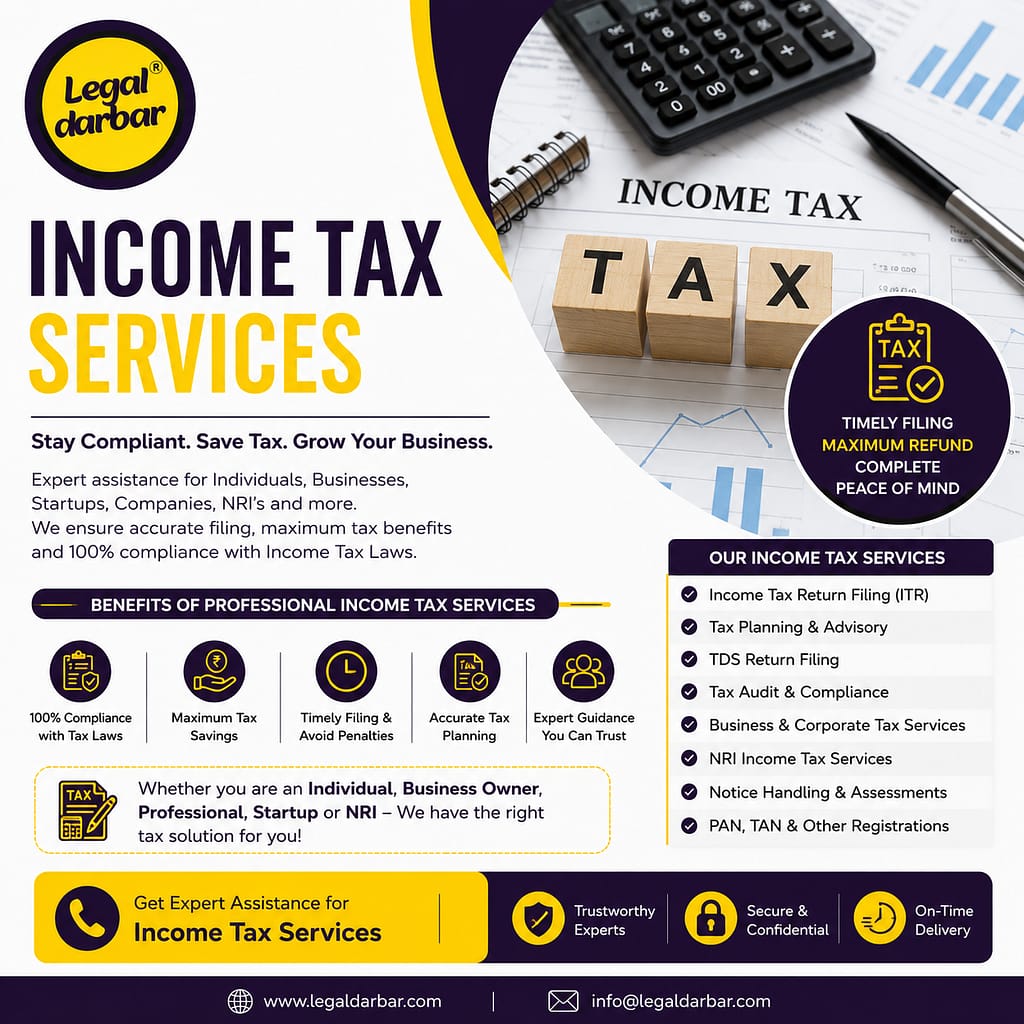
Why Choose Professional ITR Filing Services?
While taxpayers can file returns independently, professional assistance ensures:
- Accurate tax calculations
- Maximum eligible deductions
- Error-free filing
- Timely compliance
- Expert tax advice
- Reduced risk of notices
Professional tax consultants stay updated with changing tax regulations and help taxpayers avoid costly mistakes.
Tips for Hassle-Free Income Tax Return Filing
- Keep financial records organized throughout the year.
- Maintain investment proofs safely.
- Verify Form 26AS and AIS regularly.
- File returns before the deadline.
- Consult a tax expert when dealing with complex income sources.
- Ensure your bank account is pre-validated for refunds.
Frequently Asked Questions (FAQs)
Is it mandatory to file an Income Tax Return?
Individuals whose income exceeds the prescribed exemption limit are generally required to file an ITR. Certain other conditions may also mandate filing.
Can I file my ITR after the due date?
Yes, a belated return can often be filed, but penalties and interest may apply.
What happens if I make a mistake in my ITR?
You can generally file a revised return within the permitted timeline.
Can salaried employees file ITR themselves?
Yes, salaried individuals with simple income structures can file returns themselves. However, professional assistance may help ensure accuracy and maximize eligible deductions.
How long does it take to receive an income tax refund?
Refund timelines vary depending on return processing and verification status.
Conclusion
Income Tax Return (ITR) filing is an essential part of financial planning and legal compliance in India. Whether you are a salaried employee, freelancer, professional, or business owner, filing your return accurately and on time helps you avoid penalties, claim refunds, and maintain a strong financial profile.
With proper documentation, careful tax planning, and expert guidance, the ITR filing process becomes simple and stress-free. If you want accurate calculations, maximum tax benefits, and hassle-free compliance, seeking professional assistance for Income Tax Return filing can save both time and effort.
Need help filing your Income Tax Return (ITR)? Contact our tax experts today for fast, accurate, and hassle-free ITR filing services.